Most travellers reach Racha via the regional centre of Ambrolauri, either by marshrutka from Kutaisi (about 3 hours, departing when full from the bus station near Kutaisi's central market) or by hired car. From Tbilisi, the drive is 5–6 hours via the Rikoti Pass on the E60, or longer via the scenic but slower road through Sachkhere. The final stretch from Ambrolauri to Oni is 45 km of mostly good asphalt along the Rioni River, taking about 50 minutes. Shared taxis from Kutaisi to Oni cost roughly 25–35 GEL per person; private transfer is 120–150 GEL. In winter, snow can close the Nakerala and Rikoti passes; check locally before setting out, and allow extra time.
If you prefer to fly, Kutaisi International Airport (KUT) is the closest, served by Wizz Air from several European cities. From the airport, a taxi to Oni takes about 2.5 hours and costs around 150–180 GEL; book through your hotel to avoid haggling. Buses from Tbilisi's Didube station to Ambrolauri leave a few times daily (8–10 GEL, 5 hours), but they are slow and cramped. I would book a hotel in Oni that offers airport pickup, or arrange a private driver through your accommodation. Driving yourself is feasible in summer but not recommended for the faint-hearted in winter.
Racha and Oni: A Practical Guide to Georgia's Quiet Northwest
02
Where to Stay: Oni and Around
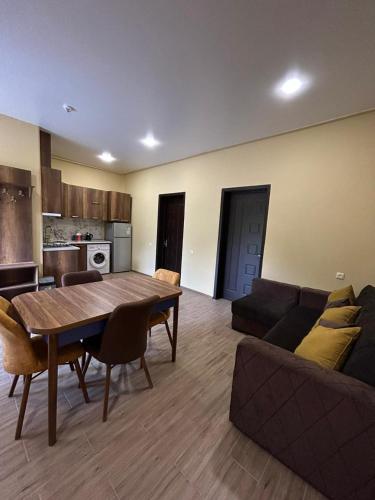
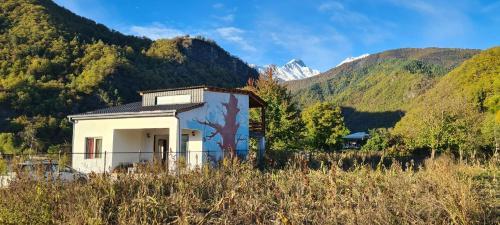
Oni itself is a small town of about 3,000 people, with a handful of guesthouses and one small hotel near the central square. Rooms are simple but clean, often with shared bathrooms, and rates run 40–60 GEL per person including breakfast. The main advantage of staying in town is proximity to the market, the bus stop, and a few cafes. For more comfort, look for guesthouses on the outskirts, such as along the road to Shovi, where you will find garden settings and mountain views. I would book a guesthouse in Oni for a night or two to acclimatise, then move higher.
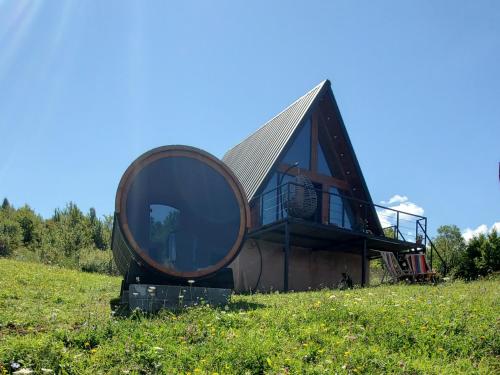
The village of Shovi, 12 km east of Oni, is the traditional summer resort, with several Soviet-era sanatoria now converted into basic hotels. A double room with breakfast costs 80–120 GEL. Further afield, the villages of Ghebi and Glola offer homestays in traditional Racha houses for 30–50 GEL per person, including home-cooked meals. These are ideal for hikers. Booking ahead is essential in July and August, as domestic tourists fill the few available rooms. I would choose Shovi for a comfortable base with easy access to trails, and Ghebi for a more immersive village experience. Avoid arriving without a reservation on summer weekends.
03
What to See and Do: Hiking, History and Hot Springs
The landscape around Oni is dominated by the Racha range, with peaks reaching over 3,000 metres. The most accessible hike is to the Shovi waterfall, a 2-hour round trip from the village centre. More serious treks include the 3-day route from Ghebi to the village of Ushguli in Svaneti, which requires a guide (60–80 GEL per day) and camping gear. The Oni synagogue, built in 1895, is a reminder of the town's once-thriving Jewish community and is worth a visit. Also check out the medieval church of St. George in the village of Mravaldzali, with frescoes from the 11th century.
For a slower day, head to the hot springs near the village of Utsera, 20 km north of Oni. The springs are free to use, but the facilities are basic—bring flip-flops and a towel. The drive there takes about 30 minutes on a rough track. In summer, the meadows around Oni are perfect for picnics; buy fresh cheese and bread from the market. Skip the overpriced tours from Tbilisi (200–250 GEL per person for a day trip) and instead arrange a local guide through your guesthouse for 80–100 GEL for a full day. That way, you keep the money in the community.
04
When to Go and What to Pack
The best months to visit Racha are June to September, when temperatures in Oni average 20–25°C and trails are clear. July and August are busiest with Georgian holidaymakers, so book accommodation early. September is quieter and cooler, with the first snow often arriving on high passes by late October. Winter is harsh: Oni sees temperatures of -10°C or lower, and many guesthouses close. If you come in winter, check that your hotel has heating and that the road from Ambrolauri is open. Spring is muddy and unpredictable, but the wildflowers in May are spectacular.
Pack layers, even in summer—mornings can be 10°C. Bring sturdy walking shoes, a rain jacket, and a refillable water bottle; tap water in Oni is generally safe to drink, but in villages, ask. Cash is essential: there are ATMs in Ambrolauri but only one in Oni (often out of service). Change money in Kutaisi or Tbilisi. A basic first-aid kit and any prescription medicines are wise, as pharmacies are limited. Finally, a small phrasebook or offline Georgian translation app will help, as English is not widely spoken outside Tbilisi. I would not rely on credit cards anywhere in the region.
FAQ
Questions people ask before booking
Citizens of the EU, US, UK, Canada, and many other countries can enter Georgia visa-free for up to one year. Check the Georgian foreign ministry website for your nationality. Ensure your passport is valid for the duration of your stay.
Yes, Racha is generally very safe. Petty crime is rare. The main risks are related to mountain roads and weather. Drive cautiously, avoid unpaved roads at night, and tell someone your hiking plans. In case of emergency, dial 112.
Marshrutkas connect Oni with Ambrolauri and Kutaisi, but services are infrequent. For exploring villages and trailheads, hire a local driver (about 0.5–1 GEL per km) or use taxis arranged by your guesthouse. Bicycles are not readily available for rent.
Tap water in Oni is generally safe, but in rural areas, it's better to boil or filter. Bottled water is widely available in shops. Bring a reusable bottle to reduce plastic waste.
Wear layers: a moisture-wicking base, insulating fleece, and waterproof outer shell. Sturdy hiking boots are essential. Even in summer, temperatures can drop quickly. A hat, sunglasses, and sunscreen are also recommended.
There is one ATM in Oni, but it can be unreliable. It's best to withdraw cash in Kutaisi or Tbilisi before arriving. Major credit cards are accepted only in a few places, so carry enough Georgian lari for your entire stay.
Racha is famous for its ham (rachuli lori), which is smoked and salty. Also try khachapuri (cheese bread) and lobio (bean stew). Guesthouses often serve home-cooked meals using local ingredients. Vegetarians can enjoy fresh salads and vegetable dishes.
In shortPlan your stayPick your dates, compare places to stay and book with confidence.KakhetiBack to the journal