Related articles
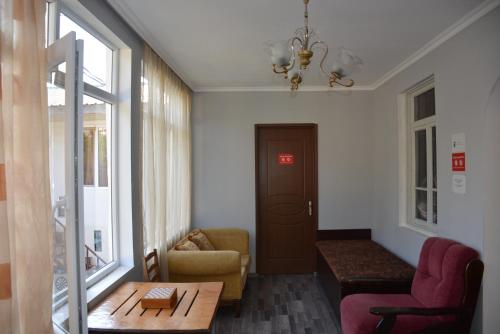
Kazbegi: The Accessible Highland Base
Stepantsminda, often called Kazbegi, sits at 1,740 metres in the Greater Caucasus, 150 kilometres north of Tbilisi along the Georgian Military Highway. The drive takes about three hours by car or minibus from Didube station. Marshrutkas depart when full, typically hourly in summer. The village has guesthouses and small hotels, mostly along the Tergi River and the road to Gergeti Trinity Church. From Tbilisi, a shared taxi costs around 20-25 GEL per person, while a private transfer is 100-150 GEL.
Summer (June to September) brings wildflower meadows and temperatures of 15-25°C, ideal for hiking to Gergeti Trinity Church (2,170 metres) or the Gveleti Waterfall. Winter turns Kazbegi into a ski base for Gudauri, 30 kilometres south, with powder days from December to March. I would book Kazbegi for a first mountain trip: it is accessible, has reliable guesthouses, and offers activities for all levels. Avoid July and August weekends if you dislike crowds.
Svaneti: Remote Towers and Glacier Views
Mestia, the main town of Upper Svaneti, is 450 kilometres northwest of Tbilisi, a seven to eight-hour drive via Zugdidi. Alternatively, fly from Tbilisi to Mestia's Queen Tamar Airport (30 minutes, operated by Vanilla Sky). Mestia has a range of guesthouses and hotels, many with views of the Caucasus and the iconic Svan towers. From Mestia, day trips reach Ushguli, a UNESCO-listed village at 2,100 metres, two hours by 4x4. The region is best from June to September, when trails to glaciers and lakes are open; winter is harsh, with many facilities closed.
Svaneti suits travellers seeking remoteness and ethnographic interest. The Svan towers and ancient villages are unique, but infrastructure is less developed than Kazbegi. I would book here for a 3-4 day stay, using Mestia as a hub, and organise transport in advance. Prices for guesthouses are similar to Kazbegi, but tours to Ushguli cost more (around 150-200 GEL per vehicle). Skip Svaneti if you have limited time or prefer easy access.
Racha: Undiscovered Valleys and Hot Springs
Racha lies in northwestern Georgia, centred on the towns of Oni and Ambrolauri. The region is less visited, with traditional villages and the Shovi resort, known for mineral springs. Access is via the Rikoti Pass from Tbilisi (five to six hours by car) or via Kutaisi (three hours). Public transport is limited; a private car is recommended. Accommodation is mostly family-run guesthouses in villages like Ghebi and Chiora, with basic amenities. The best months are May to October, when roads are clear and hiking is possible.
Racha appeals to travellers who want solitude and authentic village life. Highlights include the Shaori Reservoir and the glacial valleys around Shovi. However, English is less spoken, and tourist services are minimal. I would book Racha only for a second or third visit to Georgia, or for a off-the-beaten-path adventure. For a first mountain experience, Kazbegi or Svaneti are safer bets. Note that the road to Shovi is sometimes closed in winter due to snow.
Practical Booking Advice
When booking, consider your priorities: ease of access, cultural interest, or solitude. Kazbegi is the most straightforward, with frequent transport and a good range of hotels and guesthouses. Svaneti requires more planning but rewards with stunning landscapes and unique culture. Racha is for repeat visitors. For all regions, book accommodation in advance during peak summer months (July-August) and check cancellation policies. Many guesthouses accept cash only, so carry Georgian lari.
For Kazbegi, I recommend staying in Stepantsminda village for proximity to trails and views. In Svaneti, Mestia offers the widest choice; for a quieter stay, consider Ushguli, but be prepared for basic facilities. In Racha, Oni is a practical base. Avoid booking in Gudauri if you want a village experience; it is a ski resort. Use our site to compare hotels and guesthouses, and read recent reviews for up-to-date conditions. The best time for mountain walking is June to September.